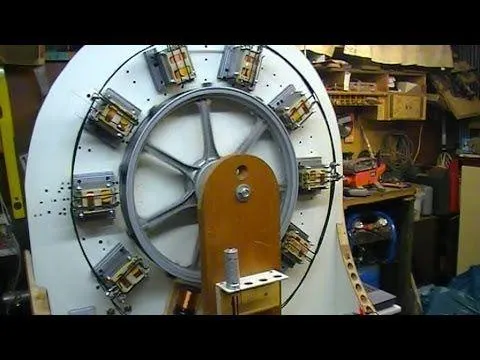
The History of the Bedini Generator
Origins, experimentation, and modern interpretation
The Beginnings of the Bedini Generator
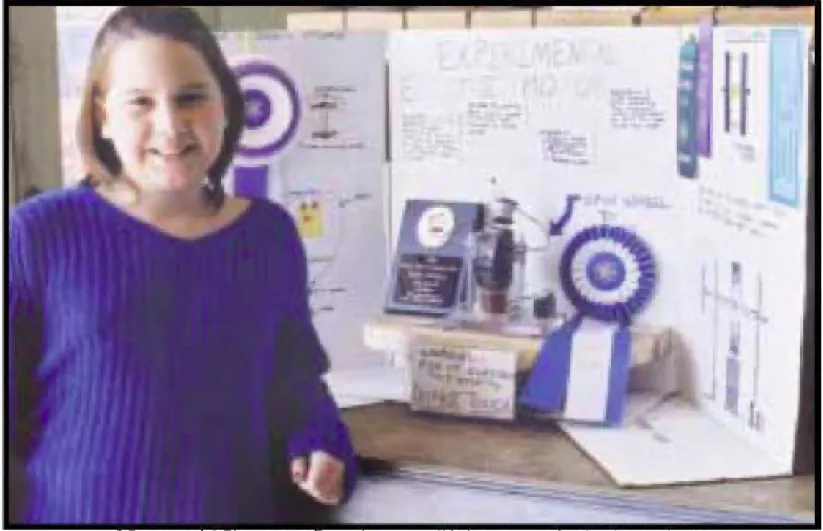
In 2001, a 10 year old girl was looking for help for her school science fair, and she found it from a friend of her father, John Bedini. John helped her to build an electric generator which she submitted to the science fair. To the amazement of the judges, the generator, (powered by a small 9V battery), continued to charge the other batteries for almost an entire week, without additional input power. Scratching their heads, they awarded her "Best of Show", and a legend was born.
The Bedini SSG and DIY Community
In 2004, John C. Bedini was granted a U.S. patent describing a motor-generator system that used pulsed electromagnetic interactions to charge batteries. The patent did not claim free or unlimited energy, but documented a specific method of energy transfer and recovery using carefully timed electrical pulses.
Bedini’s work inspired widespread experimentation, particularly through the Bedini SSG (Simplified School Girl) design, which became popular among hobbyists due to its relative simplicity and visibility. Results varied widely, often due to differences in construction, tuning, and measurement methods, leading to both interest and skepticism within the broader community.
Inspired widespread DIY experimentation with pulsed coil switching circuits
Attracted curiosity as well as skepticism, to energy recovery ideas
Highlighted the challenge of accurately measuring pulsed systems
Bedini Generators Today
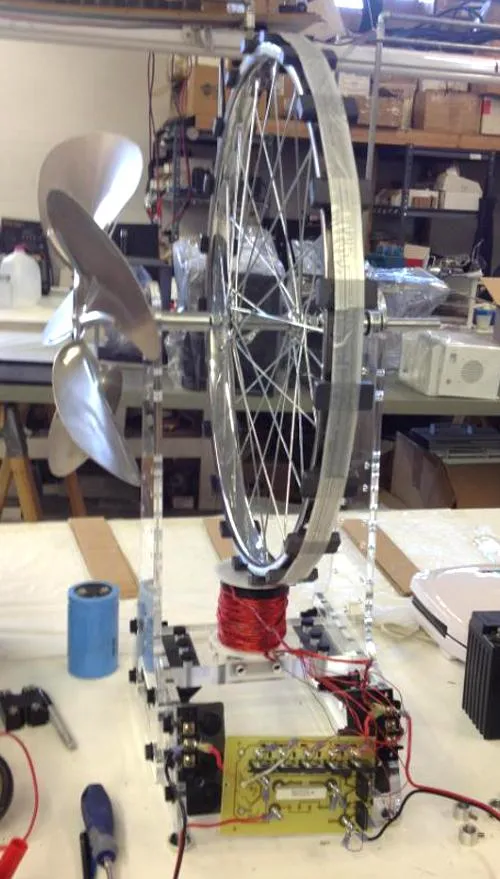
Today, Bedini-style generators are best understood as experimental and educational systems, valued for what they reveal about pulsed electronics and inductive behavior rather than as commercial power solutions. At Southwest Gadget, these systems are approached with a focus on real measurements, repeatable builds, and clear limitations, continuing the tradition of careful exploration without exaggerated claims.